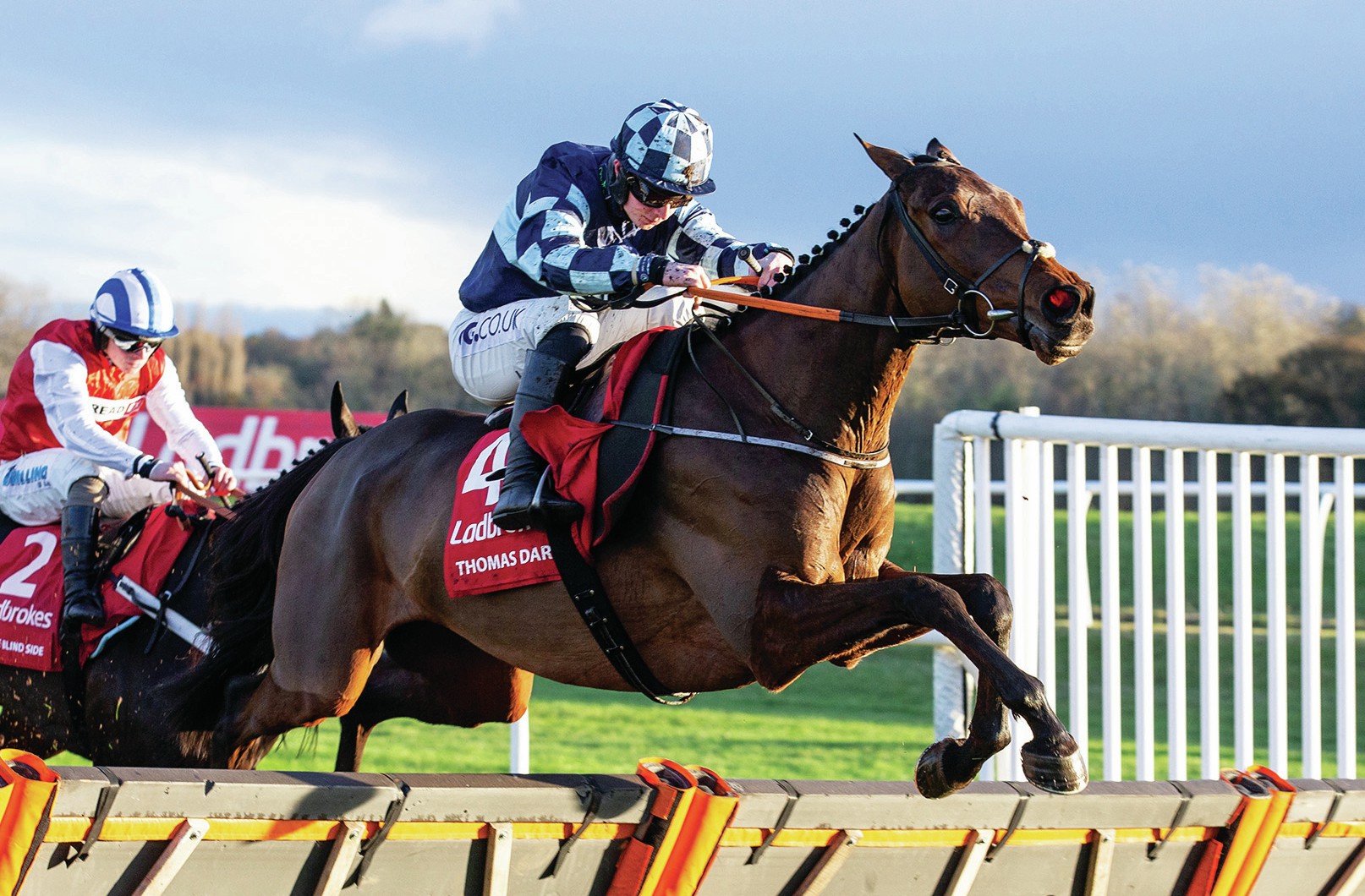
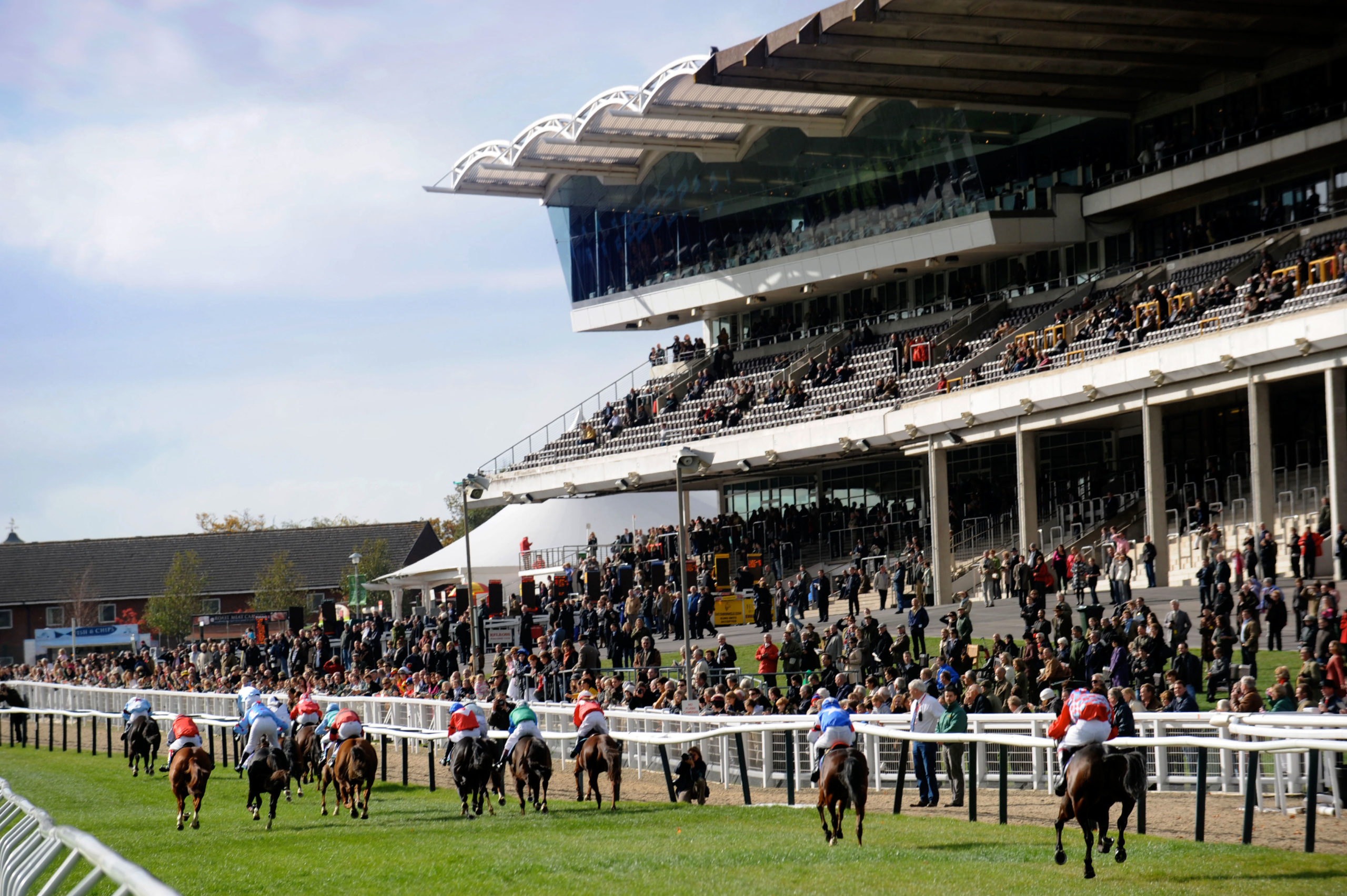
Grey horses have always drawn the eye on a racecourse. In a field of bays and chestnuts, a grey is easy to follow from the stands, and that simple fact has helped turn several of them into public favourites. Browse the old racing results from Aintree, Cheltenham and Epsom and you will find greys behind some of the best-loved wins in British racing. Here are the ones who left the biggest mark.
What makes a horse grey
A grey horse is not born white. Most greys are foaled dark, often black or bay, and their coat lightens year by year until many look almost white in later life. That pale coat makes a grey easy to pick out in a field, and plenty of punters back one on looks alone, working out the potential returns with a free bet calculator before the off. The colour is carried by a dominant gene, so every grey has at least one grey parent. That is why greys tend to run in families, and why some sire lines produce far more of them than others.
Gimcrack and the early greys
One of the first famous greys was Gimcrack, a small horse who raced in the 1760s and became so popular that one of York’s most important races for two-year-olds still carries his name. The Gimcrack Stakes is run every August at the Ebor meeting.
On the Flat, Mahmoud won the 1936 Derby, setting a time that stood as the race record for decades. He later became an influential sire, helping to spread the grey colour through modern bloodlines.
The Grand National’s grey winners
Greys have a small but special place in Grand National history. The Lamb, a grey of modest size, won the race in 1868 and again in 1871. Nicolaus Silver became the next grey winner in 1961.
The third came in 2012, when Neptune Collonges beat Sunnyhillboy by a nose, the narrowest winning margin in the race’s history. It was also the first Grand National win for trainer Paul Nicholls, who had dominated almost every other big jumps race by then.
Desert Orchid, the people’s horse
No grey has been more popular in Britain than Desert Orchid. Trained by David Elsworth, he raced with a bold front-running style and a huge jump at every fence.
He won the King George VI Chase at Kempton four times and the Whitbread Gold Cup in 1988. His greatest day came in the 1989 Cheltenham Gold Cup, when he won on heavy ground that many thought would beat him, under Simon Sherwood. A statue of him now stands at Kempton, and he is still regarded as one of the most loved horses in British sport.
One Man and the cost of the sport
One Man, trained in Cumbria by Gordon Richards, was a brilliant grey chaser who won two King George VI Chases in the mid-1990s. After disappointing in two Gold Cups, he was dropped back in trip and won the Queen Mother Champion Chase in 1998.
Just weeks later, he suffered a fatal fall at Aintree. His story is one of the reasons his win at Cheltenham is still remembered with such feeling.
Roaring Lion and the modern Flat
On the Flat, the best grey of recent times was Roaring Lion. Trained by John Gosden and ridden by Oisin Murphy, he won four Group 1 races in 2018, including the Eclipse at Sandown, the International at York and the Queen Elizabeth II Stakes at Ascot. He was named Cartier Horse of the Year that season.
Why greys stay in the memory
A grey is no faster than any other horse, but it is easier to remember. A pale coat stands out in a photograph and in a crowded finish, and that gives their best performances a visual signature. From The Lamb to Roaring Lion, greys have produced some of the clearest pictures in the sport’s history.










Follow us
Read our latest news on any of these social networks!


Get the Inside Line
- Sign Up to our Horse Racing Newsletter.