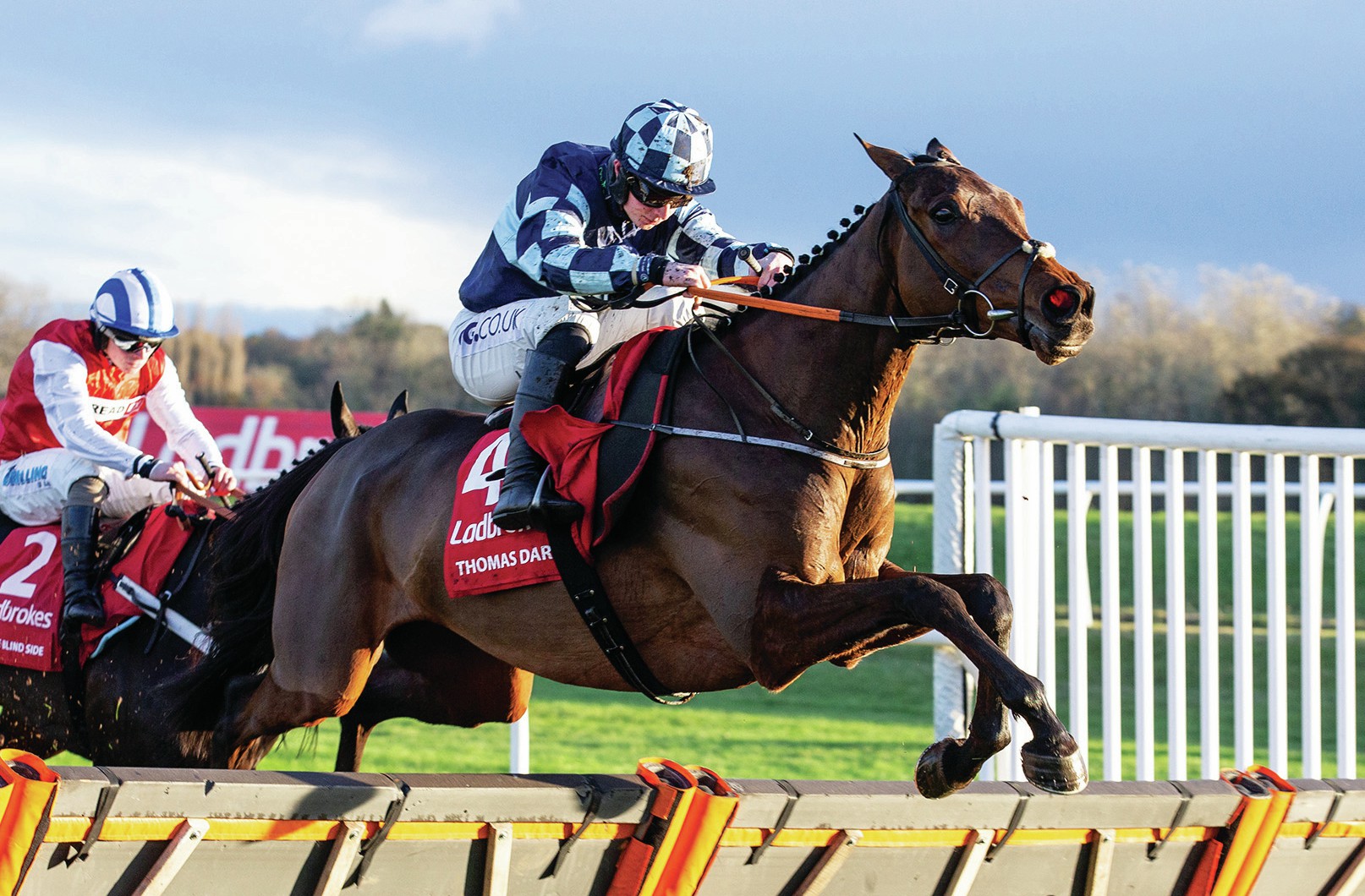
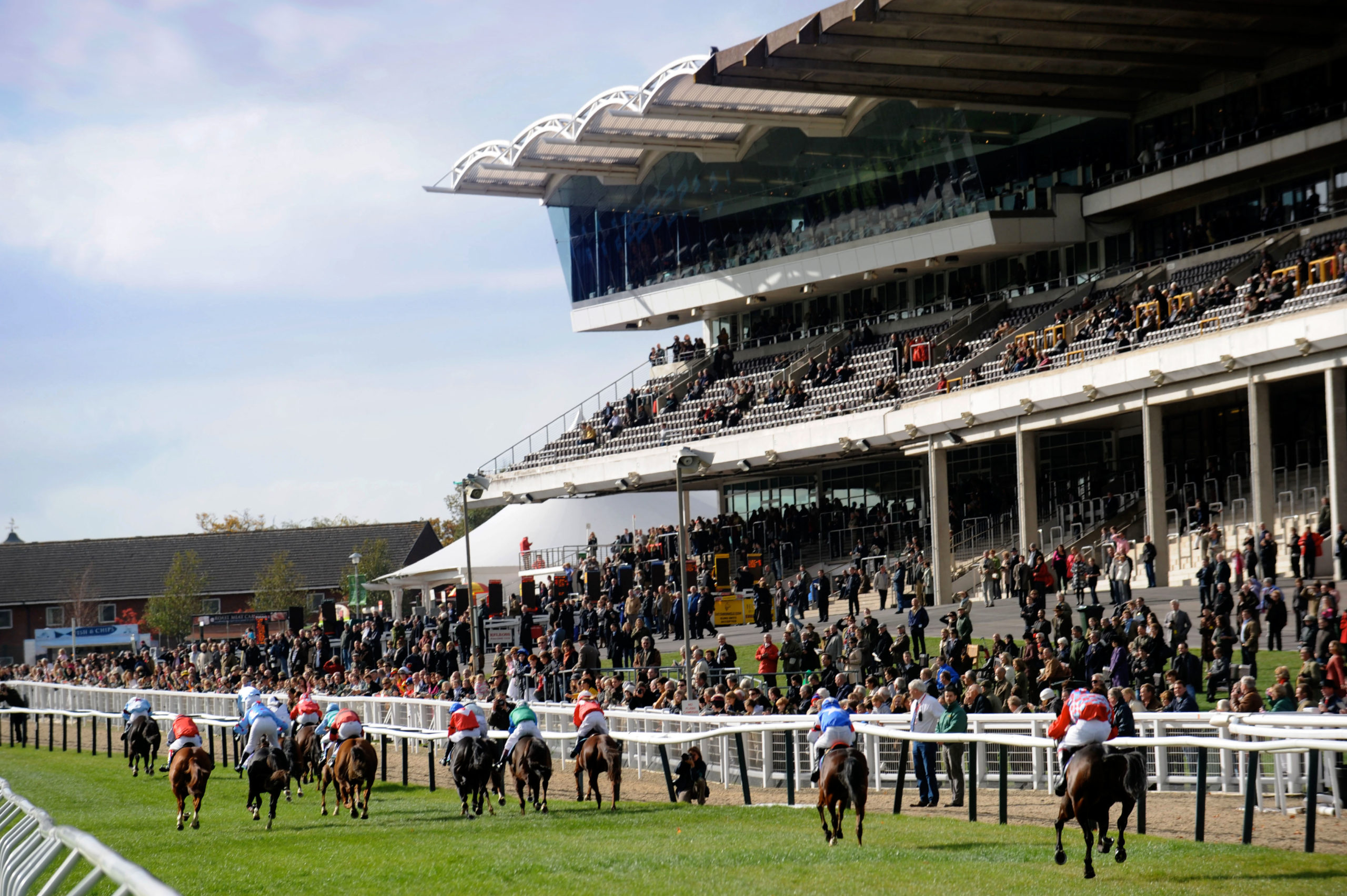
Horse racing has a long-standing place in British sporting culture, attracting millions of fans who enjoy the excitement of race days and the tradition surrounding the sport. For some people, however, betting can become more difficult to control, particularly during periods of stress. Understanding the relationship between gambling, stress and impulsive decision-making can help people recognise when recreational betting may be becoming unhealthy.
While the likes of an addiction centre can provide professional support for people who find that gambling is interfering with their finances, relationships or wellbeing, understanding the psychological factors that can contribute to problematic gambling is also an important part of prevention.
How Stress Can Influence Gambling
Stress affects the way people think and make decisions. When someone is dealing with financial pressure, work difficulties or problems in their personal life, they may look for activities that provide an immediate distraction.
For some, watching a horse race and placing a bet can provide excitement and temporary relief from everyday worries. The anticipation surrounding a race can create a short-term escape from stressful thoughts.
The problem is that this relief can encourage someone to repeat the behaviour whenever they feel stressed. Gambling can gradually become a coping mechanism rather than simply an enjoyable activity connected to following racing.
Why Stress Can Lead to Impulsive Decisions
Stress can also make people more likely to make decisions without fully considering the consequences. When emotions are running high, it can become harder to pause, assess a situation and think about the potential risks.
In the context of betting, this might mean placing wagers without a clear budget or increasing the amount being staked after an unexpected result.
Someone who normally approaches betting cautiously may behave differently when they are frustrated, anxious or under financial pressure. The desire for an immediate change in circumstances can override more considered decision-making.
The Danger of Chasing Losses
One of the clearest examples of impulsive gambling is chasing losses. This occurs when someone continues betting because they believe another wager could recover money they have already lost.
After a losing bet, it can be tempting to think that a bigger or more carefully selected wager could put things right. However, there is no guarantee that the next race will produce the desired outcome.
Chasing losses can create a cycle in which increasing financial losses lead to greater stress, while greater stress encourages further impulsive betting.
The Role of Excitement and Reward
Gambling can also involve powerful feelings of anticipation and reward. Winning a bet can provide a sense of excitement, while the uncertainty of waiting for a race to finish can itself be stimulating.
This can encourage people to focus heavily on the potential reward rather than the possibility of losing. When combined with stress or emotional difficulties, the desire to experience that excitement again can contribute to increasingly frequent betting.
Recognising this pattern does not mean that enjoying horse racing or occasionally placing a bet automatically indicates a problem. The important consideration is whether gambling remains controlled and affordable.
Keeping Betting Responsible
Setting clear boundaries can help reduce the risk of impulsive decisions. Establishing a fixed betting budget, avoiding gambling when feeling particularly stressed or upset and never borrowing money to gamble can all provide useful safeguards.
It can also help to take regular breaks and avoid viewing gambling as a way to solve financial problems. If betting begins to feel difficult to control, speaking to someone early can prevent the situation from becoming more serious.
Ultimately, understanding the connection between stress and impulsive decision-making can encourage a healthier approach to gambling. Horse racing can remain an enjoyable sporting interest, but recognising personal limits is essential to ensuring that betting does not become a source of additional stress.








Follow us
Read our latest news on any of these social networks!


Get the Inside Line
- Sign Up to our Horse Racing Newsletter.