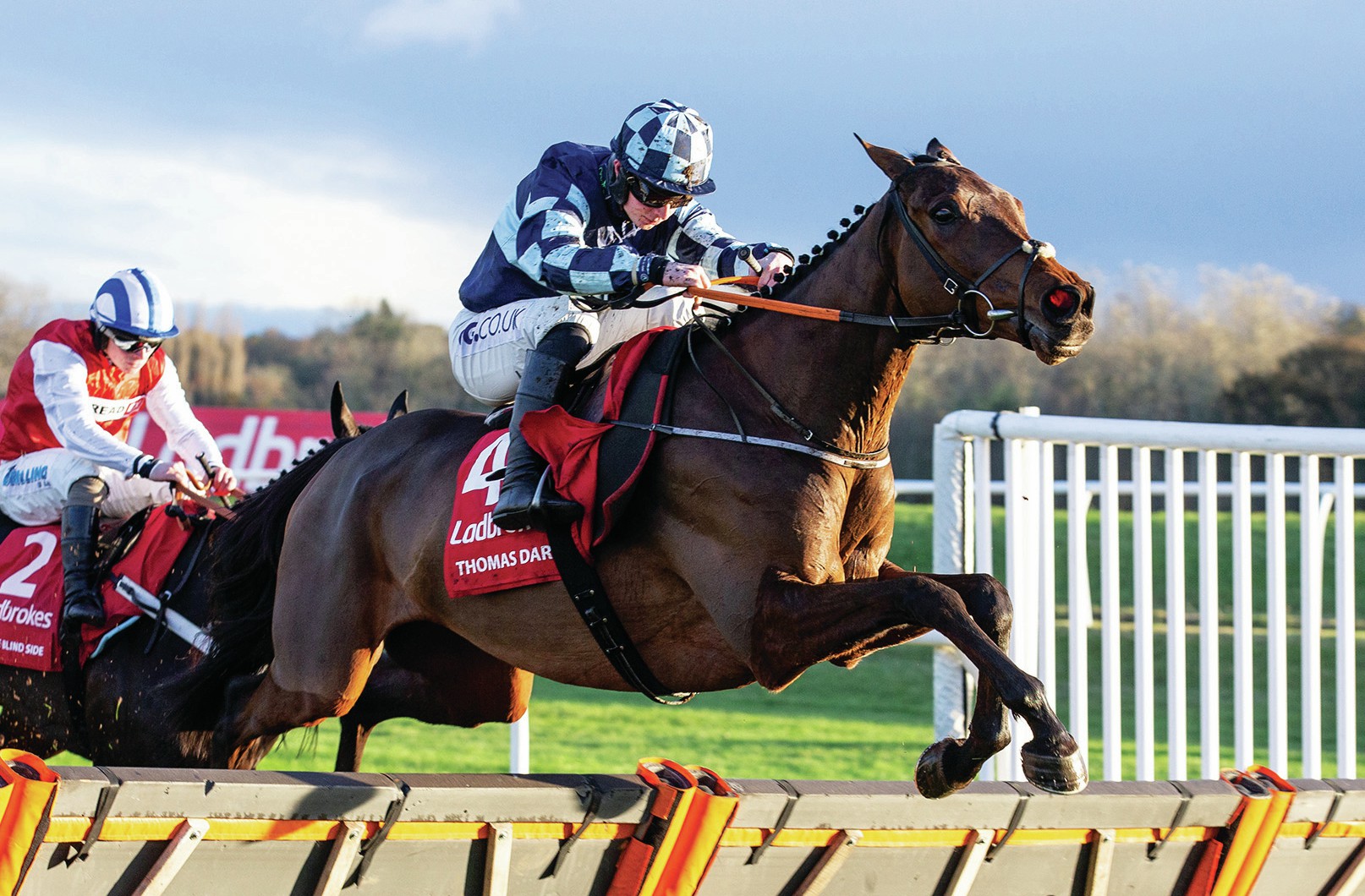
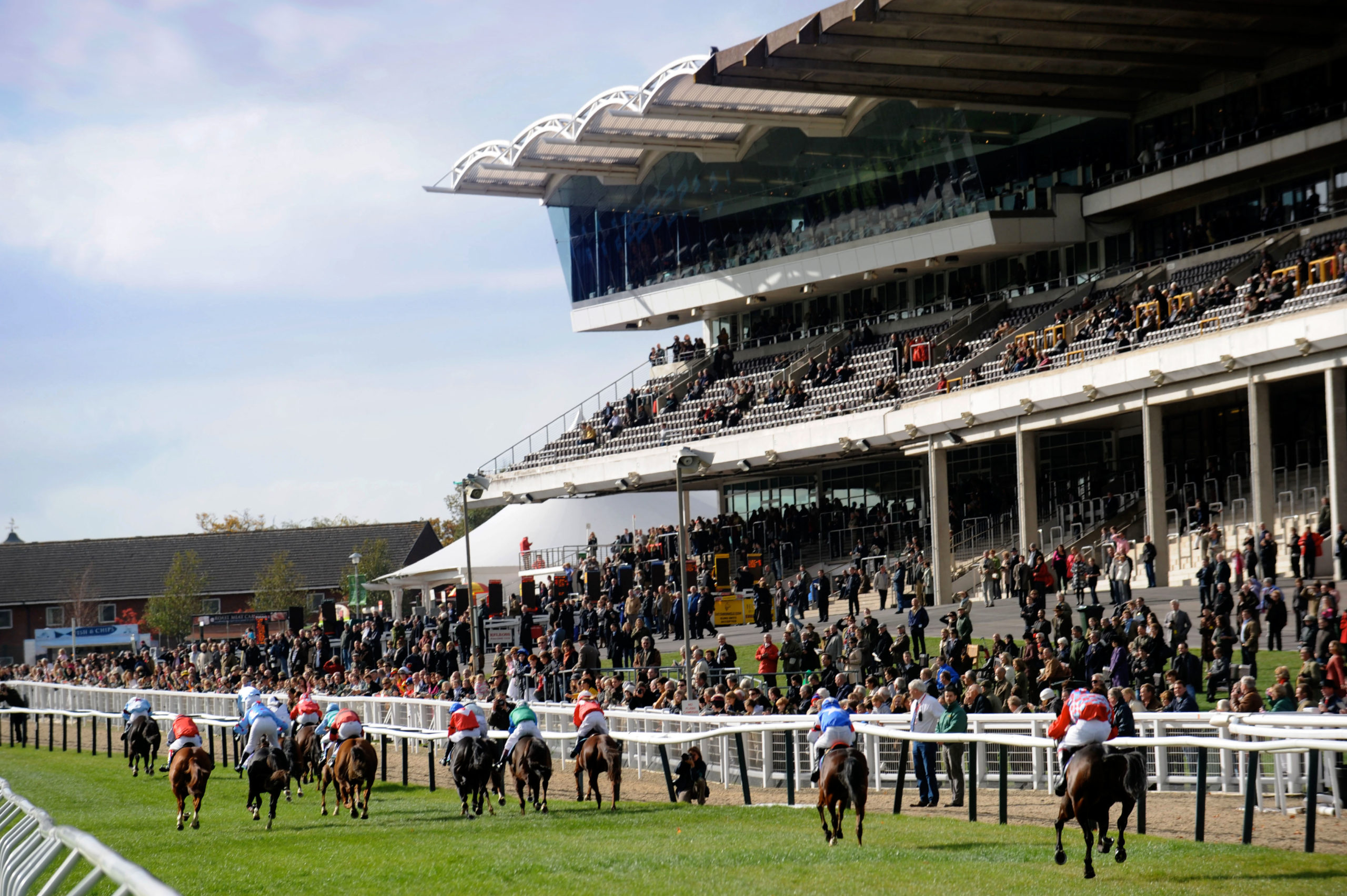
Horse racing has a language and rhythm unlike any other sport. Terms like “Exacta,” “morning line,” and “post position” can feel overwhelming at first, making betting seem more complicated than it really is. That learning curve often discourages newcomers before the excitement begins.
Every experienced fan, however, started in the same place. Learning a few core concepts is enough to make races easier to follow, betting more approachable, and every trip to the track or racing app much more enjoyable. Confidence grows naturally with each race you watch.
How Horse Racing Betting Works
Every horse race begins before the gates open. Understanding how wagering works provides the foundation for making sense of odds, payouts, and the different betting options you’ll encounter throughout the day before placing bets.
Horse racing uses a pari-mutuel betting system, meaning you wager against other participants rather than the house. Payouts depend on the betting pool, and odds change throughout the day as wagers are placed from the morning line becomes available until post time.
Horse racing odds are typically displayed as fractions. For example, odds of 4-1 mean a successful $1 wager returns $4 in profit plus your original stake. Once you understand these fundamentals, the various betting options become much easier to follow.
Straight Bets Every New Fan Should Learn First
Straight wagers are the simplest place to start, focusing on a single horse in one race. They also help new fans understand how payouts work before moving on to more advanced wagers.
Win Bets
A Win bet is exactly what it sounds like. Your horse must finish first. Its simple objective allows beginners to focus on selecting a horse rather than learning complex rules. Since the outcome is straightforward, this is often the first wager many new fans try.
Place Bets
A Place bet pays if your horse finishes first or second. It rewards consistency rather than requiring your selection to win outright. Two qualifying finishing positions increase the chance of collecting, although payouts are generally smaller than those of a Win bet.
Show Bets
A Show bet extends that idea one step further by paying if your horse finishes first, second, or third. It emphasizes participation over predicting an outright winner. Many beginners appreciate the added flexibility while they become more comfortable reading races.
Across the Board Bets
An Across the Board wager combines Win, Place, and Show into a single bet placed simultaneously. If your horse wins, you collect on all three wagers. A second-place finish pays the Place and Show portions, while a third-place finish pays only the Show wager.
Understanding Exotic Horse Racing Bets
Once the basics feel familiar, exotic wagers combine multiple horses or races. They require greater accuracy but offer the potential for larger payouts.
Single-Race Exotic Bets
Single-race exotics involve predicting multiple finishing positions within one race. An Exacta requires selecting the first two finishers in the correct order. A Trifecta extends that to the top three, while a Superfecta requires correctly picking the first four.
Many newcomers discover the Exacta Box, which allows two selected horses to finish first and second in either order. The wager costs more because it covers multiple outcomes, but it removes the pressure of predicting the exact finishing sequence.
Multi-Race Exotic Bets
Multi-race wagers test consistency instead of a single race. A Daily Double requires picking the winners of two consecutive races, while Pick 3, Pick 4, Pick 5, and Pick 6 extend that challenge across additional races on the racing card.
Learning different wager types is only the beginning. Many horse racing platforms bring together betting markets, racecards, live odds, and horse information. Exploring platforms like FanDuel Racing bets helps new fans leverage those tools before diving deeper into race analysis.
How to Read a Horse Racing Racecard
A racecard may look like a page full of numbers and abbreviations, but most experienced fans focus on just a handful of details before making a selection for each race.
Pay particular attention to:
- Program number and post position,
- Morning line odds,
- Jockey and trainer statistics,
- Past performances and recent form,
- Speed figures,
- Distance and surface preferences,
- Track conditions.
Together, these details paint a clearer picture of each horse. Strong form at the race distance and a successful jockey-trainer combination may deserve a closer look before making a selection. Track conditions can also influence performance on race day.
Nobody masters every statistic overnight. With consistent practice, many successful fans learn to recognize a few reliable indicators before gradually expanding their knowledge.
Horse Racing Terms Every New Fan Should Know
Horse racing becomes much easier to follow once you understand the vocabulary commonly used during broadcasts and around the track. Learning a handful of common terms also makes racecards and betting discussions feel much more approachable.
The chalk is the favorite, while a longshot carries much longer odds and, if successful, can produce a larger payout than more heavily backed horses. A scratch refers to a horse withdrawn before the race begins, with eligible wagers generally refunded.
Handicapping is the process of analyzing horses, jockeys, trainers, pace, and past performances to predict a race’s outcome. Horses that finish in the money place first, second, or third, while fractions measure race pace and post time marks the scheduled start.
Simple Betting Habits for New Horse Racing Fans
Confidence comes from preparation rather than from trying to predict every winner. Developing a few smart habits early makes the learning process more enjoyable and helps build confidence with every race.
Keep these habits in mind:
- Set a budget. Decide your spending limit before the first race,
- Try paper betting. Practice without placing real wagers,
- Watch the post-parade. Look for calm, alert horses,
- Check track conditions. Surface changes can affect performance,
- Use a betting script. Follow a consistent format at the window.
Small habits like these become more valuable with experience over time at the track. Focusing on preparation and observation helps new fans enjoy the sport while steadily building confidence in their betting decisions.
Building Confidence One Race at a Time
Horse racing rewards curiosity as much as experience. Every race offers another opportunity to recognize familiar betting terms, interpret a racecard with greater confidence, and better understand why certain horses attract support from bettors.
Starting with the basics allows knowledge to build naturally over time. Each race adds another layer of experience, and before long, through regular practice and observation, the terminology, betting options, and excitement of race day begin to feel like second nature.










Follow us
Read our latest news on any of these social networks!


Get the Inside Line
- Sign Up to our Horse Racing Newsletter.