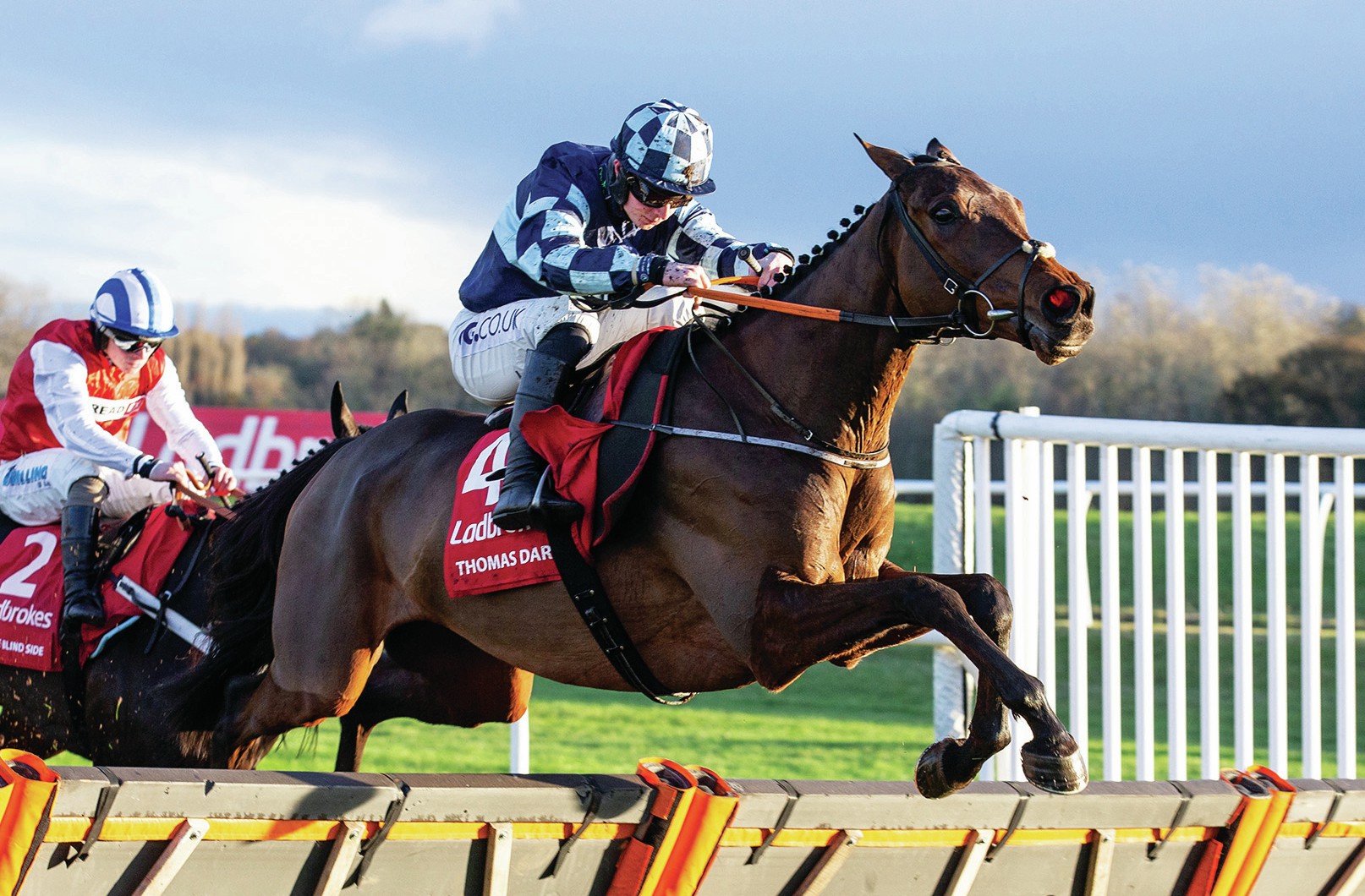
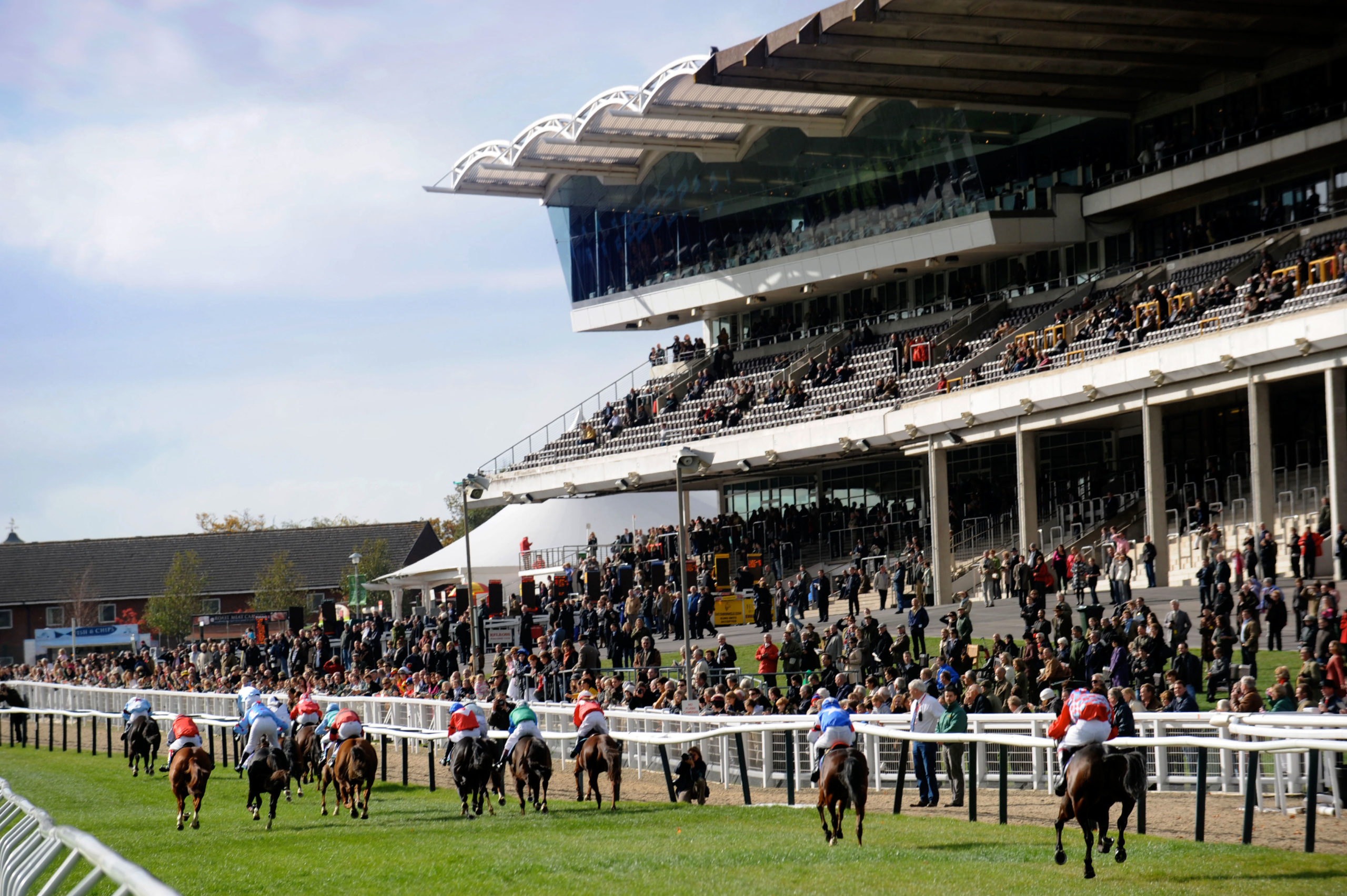
Royal Ascot is one of Britain’s most recognisable social events. Each June, Ascot Racecourse becomes a showcase for racing, fashion, hospitality and tradition, drawing visitors from the UK and around the world.
For many attendees, the appeal extends well beyond what happens on the track. The atmosphere, ceremony and social side of the week are part of what make the event distinctive. Across five days, Royal Ascot combines sport with dining, style, entertainment and long-established rituals, creating an experience that feels as much like a cultural festival as a race meeting.
Hospitality at its finest
Hospitality plays a major role in the Royal Ascot experience. Visitors can choose from a wide range of dining and entertaining options, from more relaxed food and drink areas to premium restaurants and private hospitality spaces.
The Royal Enclosure is reserved for members and their guests, while other enclosures offer their own mix of restaurants, bars and social spaces. Many racegoers plan their dining as carefully as their outfits, particularly when attending as part of a group or making Royal Ascot the centrepiece of a wider trip.
For international visitors, the week can also become part of a broader travel itinerary. Some combine their time at Ascot with days in London, countryside visits or evenings spent exploring other forms of entertainment. For New Zealand visitors who prefer online gaming, they can check Spin Casino NZ games to entertain themselves while waiting for the next event.
The mix of on-course hospitality and off-course leisure helps explain why Royal Ascot can feel like more than a single sporting occasion. The racing provides the schedule, but the wider experience often continues before and after the day’s events.
A dress code that defines the event
Few sporting occasions place as much emphasis on formal dress as Royal Ascot. The dress requirements vary by enclosure, with the Royal Enclosure maintaining the most traditional standards.
Women in the Royal Enclosure are expected to wear formal daywear and a hat. Headpieces and hatinators are also permitted when they have a solid base measuring at least four inches, or 10 centimetres, across. Men are required to wear a morning dress with a top hat.
The rules are part of the event’s visual identity. Dressing for Royal Ascot is not simply about meeting a requirement. For many racegoers, choosing an outfit is part of the anticipation and enjoyment of the week.
Millinery is especially prominent. Hats range from understated and elegant to colourful, sculptural and highly creative. Fashion coverage has become a familiar part of Royal Ascot week, giving designers, milliners and racegoers another way to take part in the spectacle.
The social ritual of Royal Ascot Week
Royal Ascot is rarely treated as just a few hours at the racecourse. For many visitors, the day includes meeting friends, dining together, taking photographs, exploring the grounds and joining in the traditions that surround the racing.
Groups often coordinate outfits, businesses use hospitality areas for networking, and families return across generations. These habits create a strong sense of ritual around the event, even as the audience has become more international and varied over time.
One of the most recognisable traditions is the Royal Procession. At around 2 pm each day, the procession travels along the Straight Mile in front of the grandstands, creating a ceremonial start to the afternoon’s racing.
Ascot itself dates back to 1711, when Queen Anne founded the racecourse, while the Royal Procession became part of the meeting in 1825. That combination of long-standing tradition and present-day spectacle gives Royal Ascot much of its distinctive character.
Music, entertainment and the end of the racing day
The social side of Royal Ascot does not necessarily end with the final race. Post-racing entertainment gives visitors a reason to stay, relax and continue enjoying the atmosphere after the day’s sporting programme is complete.
One of the best-known traditions is the Bandstand sing-along, where racegoers gather to join in familiar songs at the end of the day. Live music and other entertainment can also be found in selected areas and enclosures, helping the mood shift naturally from formal racing occasion to evening social event.
That change of pace is part of the appeal. Jackets loosen, groups gather, and the focus moves from the track to conversation, music and shared experience. It reinforces the sense that Royal Ascot is designed as a full day out rather than an event that begins and ends with the racecard.
Why the social side matters
Royal Ascot has endured because it combines several experiences within one setting. Racing remains at the centre of the programme, but fashion, food, ceremony, music and social tradition shape how many visitors experience the week.
That broader mix also makes the event accessible to people with different interests. Some arrive for the racing, others are drawn by the fashion or hospitality, and many simply enjoy the chance to take part in a major social occasion with a long history.
For visitors from overseas, the week can become one part of a wider UK trip. For regular racegoers, it can be an annual tradition. In both cases, the attraction lies in the combination of sport and social experience.
Royal Ascot’s ability to bring those elements together is what gives the week its distinctive character. The racing provides the structure, while the atmosphere, traditions and entertainment surrounding it give people reasons to stay, socialise and return.



Racing Ahead News
What 355 horse racing prices revealed about finding the best odds








Follow us
Read our latest news on any of these social networks!


Get the Inside Line
- Sign Up to our Horse Racing Newsletter.