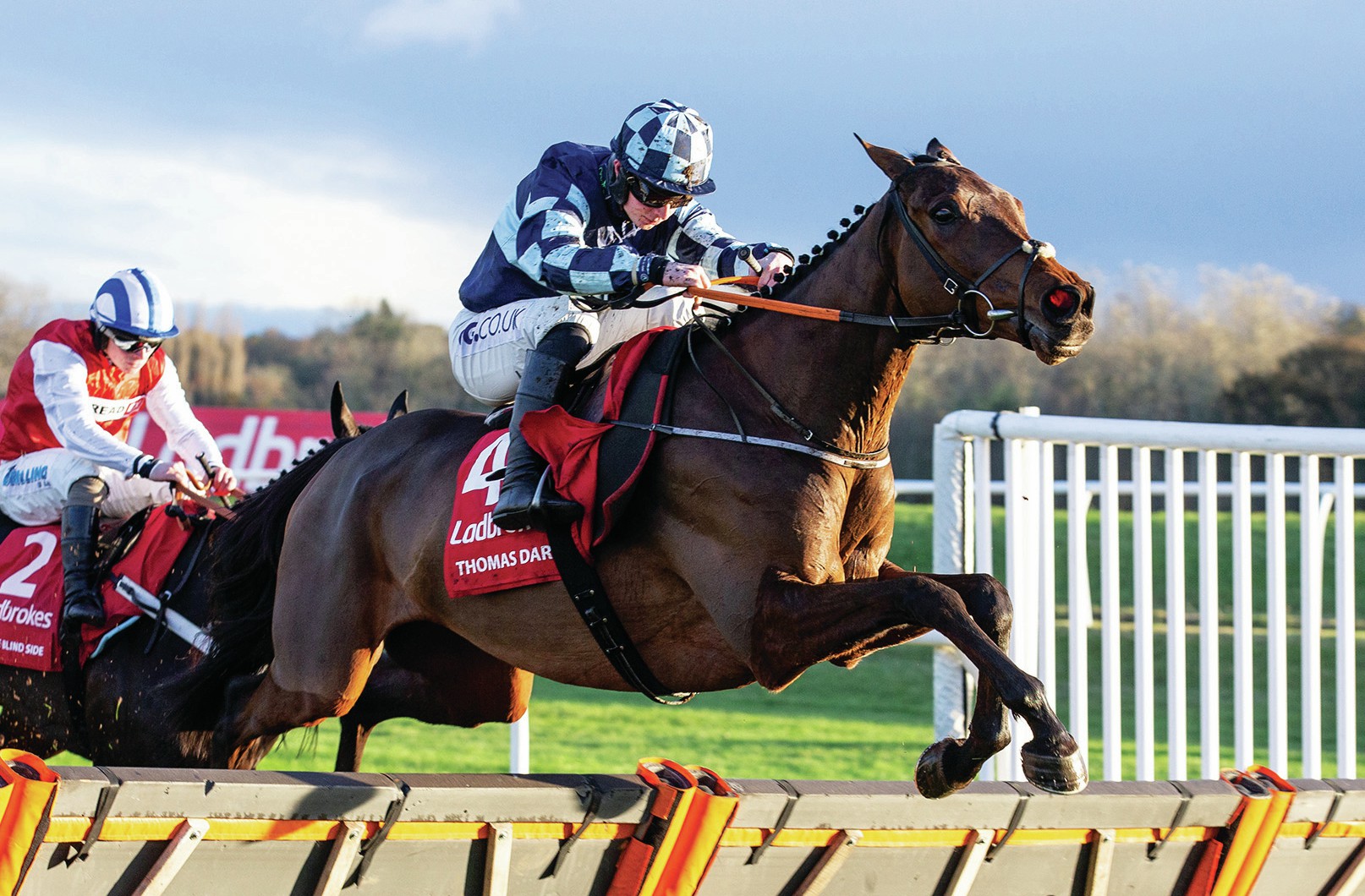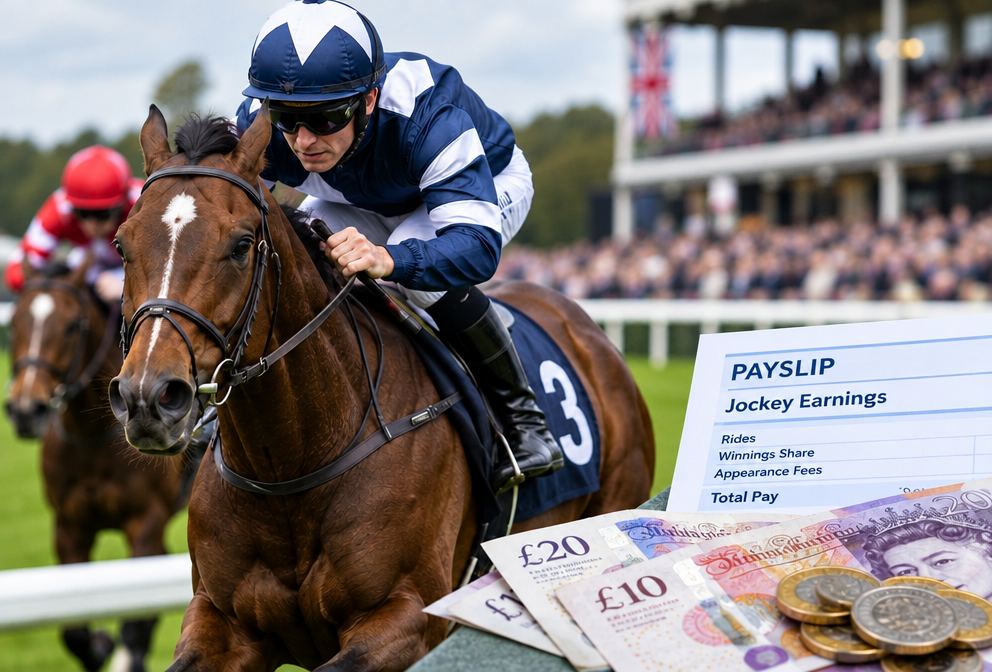
Horse racing is often referred to as the Sport of Kings, but for the riders who risk life and limb every time they step into the stirrups, jockey earnings are heavily tied to daily volume, percentage cuts, and performance.
The financial structure for professional riders in Great Britain is set through annual negotiations between the Professional Jockeys Association (PJA) and the Racehorse Owners Association (ROA).
Standard fees across both codes-Flat and Jump racing-governing riding fees, non-runner compensation, prize money splits, and sponsorship models shape how much a UK jockey can expect to earn.
But just how much do the UK jockeys earn for each ride – both on the flat and over the jumps?
For exclusive stories and all the detailed Racing news you need, subscribe to the Racing Ahead website, digital edition, or magazine from as little as 8p a day.
Jockey Earnings: How Much Do UK Riders Get Paid Per Ride?
1. Riding Fees: Flat vs. Jump Jockeys
Every time a jockey swings a leg over a racehorse, they are entitled to a set baseline riding fee paid by the horse’s owner.
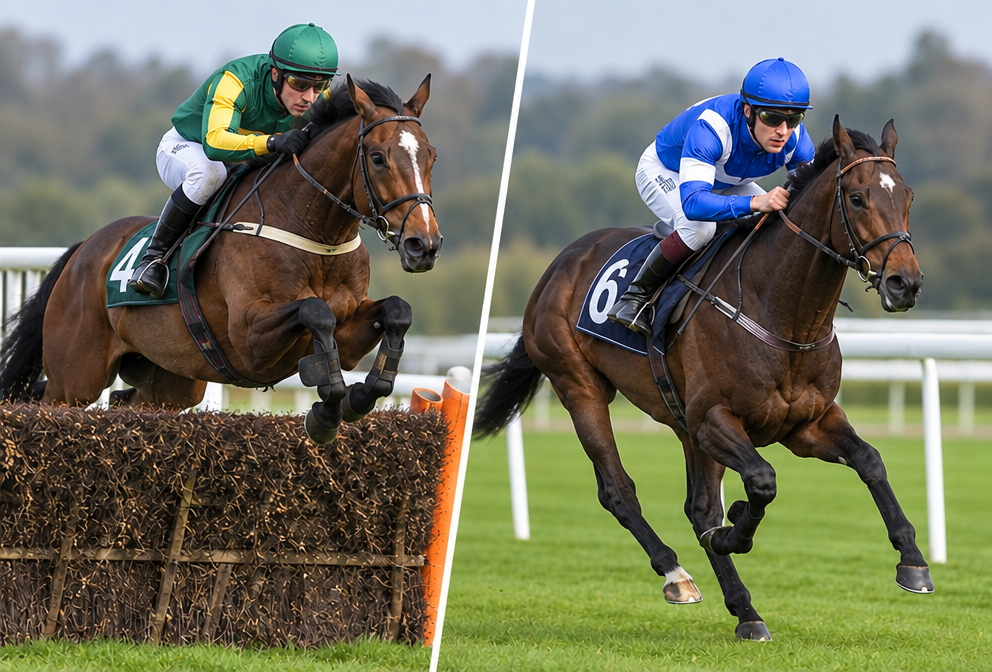
Jump jockeys earn a higher basic riding fee than Flat riders to reflect the physical toll, higher injury risks, and lower frequency of rides available per meeting.
- Flat Jockeys: £173.54 per ride
- Jump Jockeys: £235.90 per ride
2. Non-Runner Fees
A jockey’s time is their livelihood.
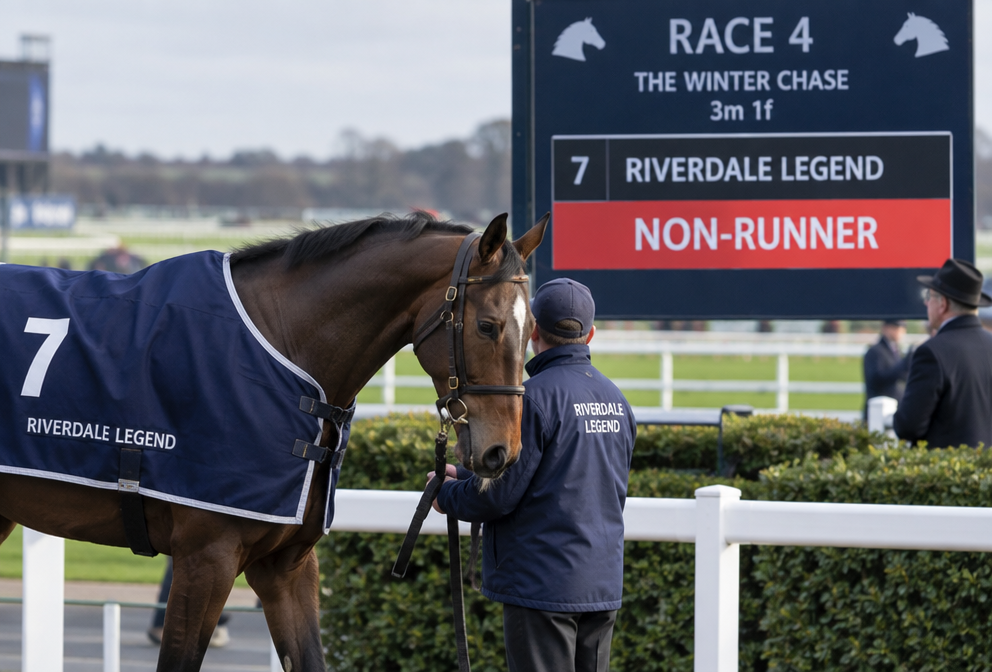
Therefore, if a horse is declared a non-runner after the official jockey declaration stage (typically 48 hours prior to a meeting), the rider receives a 50% booking fee to compensate for the lost opportunity and time reserved.
- Flat Non-Runner Fee: £86.77 per non-runner
- Jump Non-Runner Fee: £117.95 per non-runner
3. Daily Jockey Earnings Example: 5 Rides in a Day (Before Tax)
To illustrate what a jockey earns from basic riding fees alone, let us look at a standard working day with 5 rides across both scenarios.
Flat Jockey (5 Rides)
- Standard 5 Rides: 5×£173.54=£867.70 gross
Jump Jockey (5 Rides)
- Standard 5 Rides: 5×£235.90=£1,179.50 grossNote: These figures represent gross income before tax, national insurance, and industry deductions such as valet fees, jockey agent commissions (typically around 8–10%), and PJA subscriptions.
4. Prize Money Percentages: Where the Big Money Lies
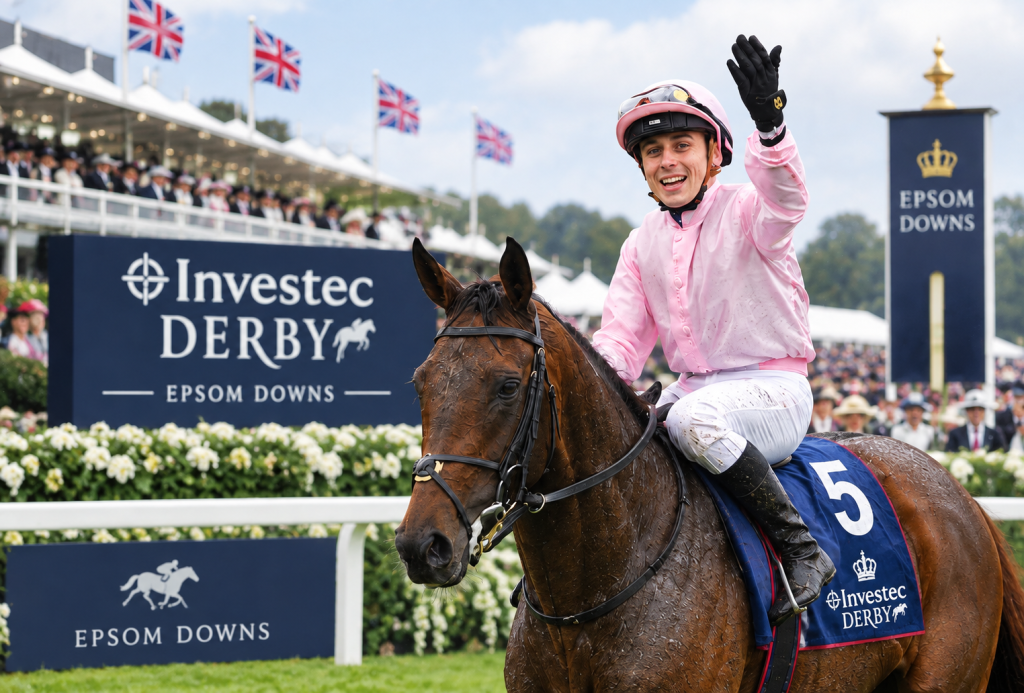
While riding fees keep the lights on, the true financial incentive comes from prize money cuts.
A jockey receives a fixed percentage of the advertised prize money won by their mount.
With winning riders taking a significantly larger share than those who place.
Like Ronan Whelan, who had a big payday when Christmas Day won the 2026 Epsom Derby.
With the first prize £1m, meaning Whelan would have banked around £90k (before tax).
Not bad for exactly 2m 43.75 secs work.
Category Winning Mount Cut Placed Mount Cut (2nd-4th)
- Flat Jockeys 7.00% of win prize & 2.61% of place prize
- Jump Jockeys 9.00% of win prize & 3.44% of place prize
Example: Winning a £100,000 Grade 1 Steeplechase lands a Jump jockey roughly £9,000 on top of their basic £235.90 riding fee.
5. Retainer Deals: Top Owners and Elite Riders
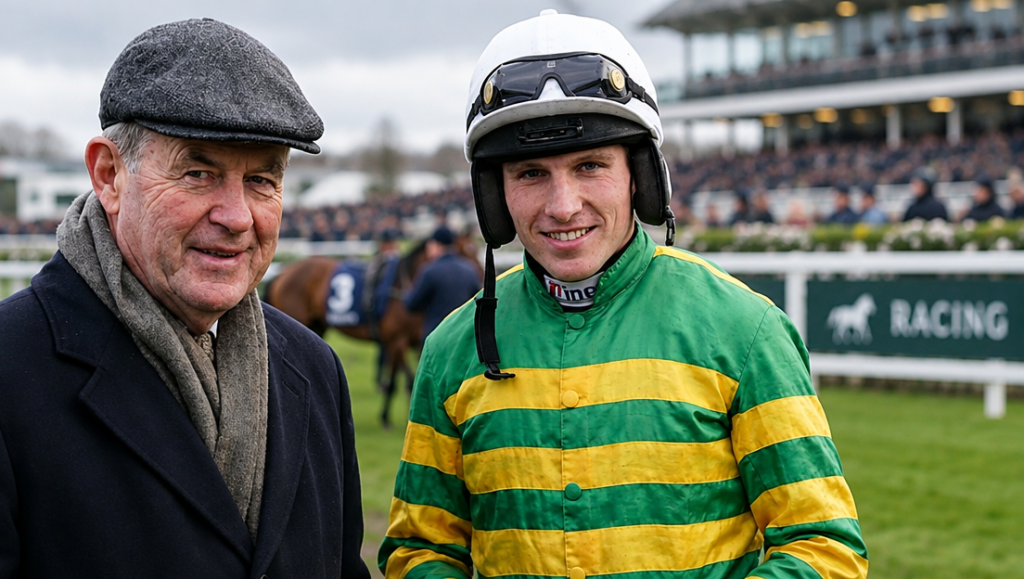
Beyond standard per-ride payments, top-tier jockeys often sign lucrative retainer contracts with major owners or racing operations.
These contracts pay a set annual salary in exchange for priority booking rights on the owner’s horses.
A prominent example is Harry Cobden, the former British Champion Jump Jockey.
Having spent ten years with 14-time champion trainer Paul Nicholls, Cobden was officially signed as the number-one retained rider across Britain and Ireland for billionaire owner JP McManus.
Retainer arrangements guarantee elite riders a substantial six-figure (or sometimes seven-figure) annual retainer salary regardless of injuries or fluctuating ride counts.
While still allowing them to collect standard riding fees and prize money cuts when competing in the famous green and gold silks.
6. Sponsorship Deals: Tops and Breeches
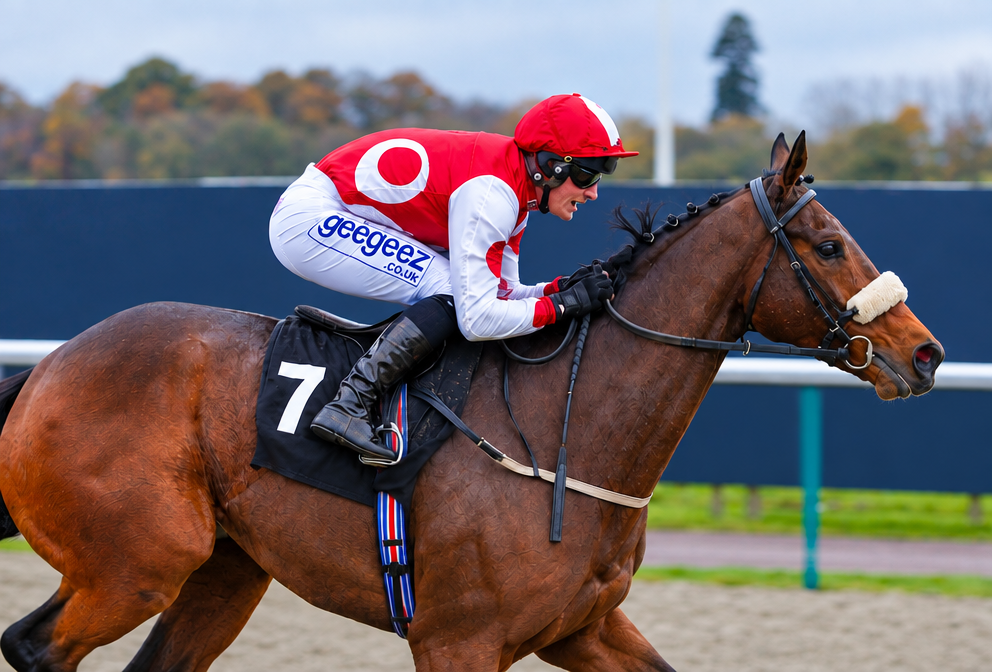
Jockeys can also top up their income through personal sponsorship deals. The British Horseracing Authority (BHA) permits jockeys to display sponsor branding on specific areas of their kit:
- Breeches Branding: Logos printed on the thigh and rear of riding trousers.
- Neck / Collar Branding: Logos displayed on polo necks or turtleneck undergarments.
- Boot & Helmet Branding: Personal sponsors visible during race-day broadcasts and media interviews.
For household names competing in high-profile TV races (e.g., at Cheltenham, Royal Ascot, or the Grand National), corporate sponsorship deals from bookmakers, equestrian brands.
Or financial institutions can yield thousands to tens of thousands of pounds extra per season.






Follow us
Read our latest news on any of these social networks!


Get the Inside Line
- Sign Up to our Horse Racing Newsletter.