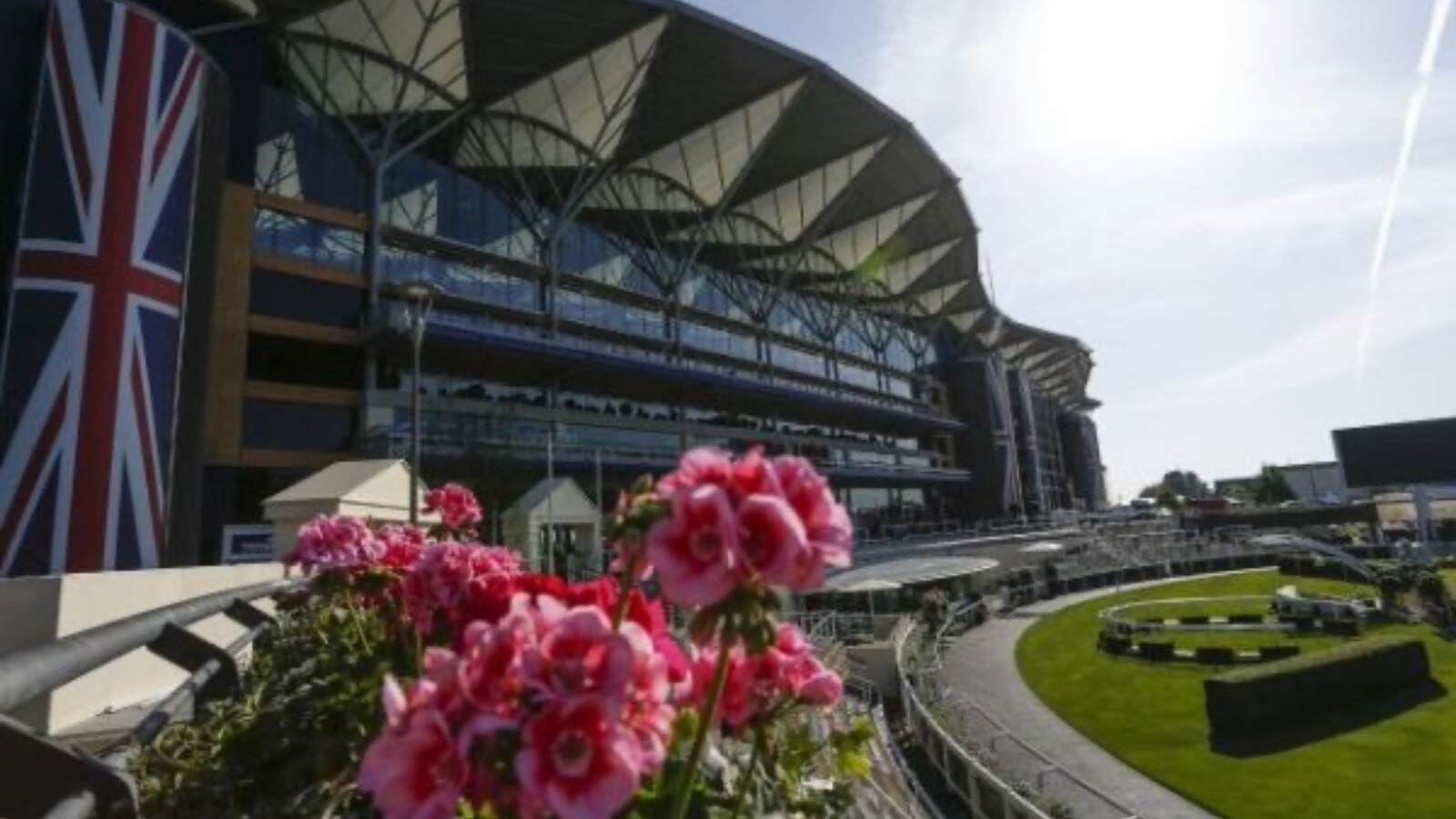
Ahead of Royal Ascot 2026, which takes place from 16th-20th June, a new report compiled by the University of Reading and New Horizon Economics has highlighted the significant economic impact of Ascot Racecourse both nationally and internationally.
Across its operations, supply chains, visitor spending and associated activities, Ascot supports an estimated £264.5 million in Gross Value Added (GVA) and 3,903 full-time equivalent (FTE) jobs across the UK economy.
Generating jobs
The five days of Royal Ascot alone support around 1,930 of these jobs, generating approximately £140m in GVA.
On a local level, year-round activity supports around 1,360 FTE jobs in the Berkshire, Buckinghamshire and Oxfordshire ITL2 area, generating nearly £85m in local GVA while Royal Ascot supports 625 local FTEs, valued at just under £50m.
The reach of Royal Ascot is illustrated by the fact that UK ticket holders come from 73.8% of all outward UK post codes, highlighting the incredibly broad attraction the event holds across the nation. 21.6% of Royal Ascot’s attendees come from the Berks/Bucks/Ox region, with 72.2% from elsewhere in the UK and 6.2% from overseas.
Visitor expenditure
The racecourse is also a significant driver of visitor expenditure with UK and international racegoers generating an estimated £77.7 million in off-course expenditure, £49.2m of which was attributable to Royal Ascot.
Those visiting Ascot typically spent money off course on things like accommodation, food and drink, travel, outfit purchase, and other retail shopping.
Researched and compiled by Dr Steven Brand, founder of New Horizon Economics, and Professor James Reade from the University of Reading, the report also assesses the social value generated by Ascot Racecourse, together with its wider contribution as an internationally recognised British institution.
Social value
Ascot Racecourse Supports, the racecourse’s charitable and community programme, reaches over 7,000 beneficiaries, generating over £700,000 in social value per year.
This represents a £6 return for every £1 invested by Ascot.
Dr Steven Brand, founder of the economic consultancy New Horizon Economics and Honorary Associate Professor of Economics at the University of Plymouth, said: “Our findings show that Royal Ascot ranks among the UK’s most internationally recognised sporting occasions.
“Its broadcast reach is comparable to events such as Wimbledon, The Open Championship and the Grand National, reaching 580 million households in more than 180 territories worldwide.
“In 2024, Royal Ascot attracted over 6,200 overseas visitors, from 76 countries with off-course spending of just under £50m supporting nearly 600 full time jobs and £37m in economic value.
“The findings underline the extent to which Royal Ascot has become both a major economic asset and one of Britain’s most visible international events.”
Economic significance
Professor James Reade, Professor of Economics, University of Reading, said: “The findings demonstrate that Ascot’s economic significance extends well beyond the racecourse boundary, creating benefits for businesses across the visitor economy including hotels, restaurants, transport providers, retailers and other service-sector activities.
“Overall, the evidence demonstrates that Ascot functions not only as a racecourse, but as a nationally significant economic asset, an international ambassador for British heritage and culture, and an important contributor to community wellbeing.
“Through its combined economic, social and reputational impacts, Ascot generates value at local, national and international levels, reinforcing its position as one of the United Kingdom’s leading sporting and cultural institutions.”









Follow us
Read our latest news on any of these social networks!


Get the Inside Line
- Sign Up to our Horse Racing Newsletter.